
Calhoun County Criminal Court Records
A Calhoun County criminal court record is the court file for a prosecution. It begins when criminal charges are filed into a court case and continues through arraignment, pretrial events, motions, plea or trial, disposition, and sentencing. In South Carolina, the criminal side of Circuit Court is called General Sessions. That court handles adult felony and higher-level misdemeanor prosecutions for Calhoun County, with the First Judicial Circuit Solicitor acting as the prosecutor for Calhoun, Dorchester, and Orangeburg counties.
Magistrate and Municipal Courts also matter because they handle warrants, bond, preliminary hearings, traffic, ordinance matters, and summary criminal cases. A criminal court record may begin with a warrant or lower-court event before the case moves into General Sessions. For the charge path itself, including how charges after arrest are filed and changed, use Calhoun County arrest records and court charges. For civil, family, probate, and traffic case files beyond criminal matters, use the broader Calhoun County court records page.
The South Carolina Judicial Branch expungement and pardon FAQ is an official criminal-record source:
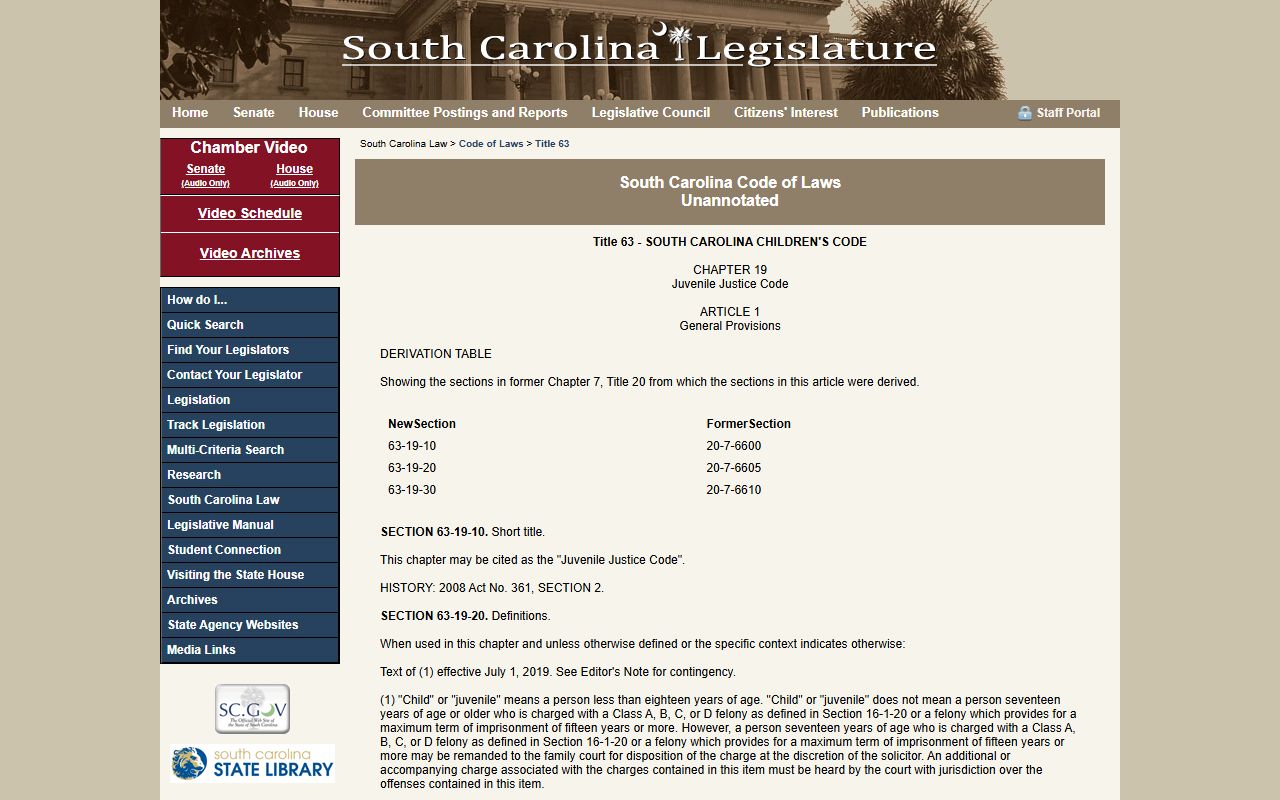
That source is useful because expungement rules affect whether a past Calhoun County criminal court record remains visible in ordinary public searches.
Search Calhoun County Criminal Court Records
The main online path for Calhoun County criminal court records is the South Carolina Judicial Branch case records search, which links to the Calhoun County Trial Court Public Index. The state page identifies Calhoun as Circuit Number 1 and County Number 09. Use a case number if possible. If the case number is unknown, search by defendant name, then check court type, case type, and event history to confirm the correct file.
- Open the state case records search and choose Calhoun County from the public index route.
- Search by defendant name or case number, using the exact case number when available.
- Review the court and case type to separate General Sessions from summary court matters.
- Open the case event history to read charges, hearings, pleas, disposition, and sentence entries.
- Contact the Clerk of Court for certified copies or documents not available in the online view.
Browser settings can affect results. The state case-records page says cookies and JavaScript must be enabled, and some browsers may need a pop-up exception for case details. If the portal does not show a needed record, call the Calhoun County Clerk of Court at (803) 874-3524. The Clerk's office is on the first floor of the courthouse and handles Circuit and Family Court record questions. Lower summary matters may require the Magistrate or Municipal Court that issued the case.
Calhoun County Criminal Case Flow
A criminal court record should be read as a sequence. The accusation is not the result. The case may start with an arrest, warrant, citation, or charging document. It can then move through bond, preliminary hearing, indictment or solicitor filing, arraignment, motions, plea negotiation, trial, disposition, sentencing, and post-disposition entries. Each step may leave a docket entry, order, or filed document in the Calhoun County criminal court record.
Case flow: Charges Filed › Arraignment › Pretrial and Motions › Plea or Trial › Disposition › Sentencing
| Stage | What Happens |
|---|---|
| Charges Filed | The State files or pursues the criminal accusation through the proper court route. |
| Arraignment | The defendant is formally advised of the charge and enters a plea or receives a plea setting. |
| Pretrial / Motions | Attorneys file requests, seek discovery, address bond, or ask the court to rule before trial. |
| Plea or Trial | The case resolves by plea, trial verdict, dismissal, or another disposition. |
| Sentencing | The court enters punishment, fines, restitution, probation, incarceration, or other terms after conviction or plea. |
The First Judicial Circuit Solicitor's Office can affect the flow through diversion programs. Its official site lists Adult Drug Court, Pre-Trial Intervention, Alcohol Education Program, Traffic Education Program, Worthless Checks, Youth Mentoring, Juvenile Court, Juvenile Arbitration, and expungement resources. Completion of certain diversion programs may lead to dismissal and later expungement eligibility, but the public record should be checked for the actual disposition.
What Calhoun County Criminal Records Show
A Calhoun County criminal court record can show more than a charge label. The record may identify the General Sessions case number, warrant or lower-court case number, defendant, solicitor, defense counsel, charges, statute references, bond order, hearing dates, motions, plea, disposition, sentence, probation, fines, court costs, restitution, and docket entries. It may also show whether the case is open, closed, dismissed, sealed, expunged, or transferred.
| Field | What It Shows |
|---|---|
| Case Number | The court identifier used to search, verify, and request copies. |
| Defendant | The person charged in the criminal court case. |
| Charge | The offense as filed, amended, reduced, dismissed, or disposed in the court record. |
| Solicitor / Attorney | The prosecutor and any public defender or retained defense counsel shown in the file. |
| Plea | The defendant's formal response, such as guilty, not guilty, or nolo contendere when shown. |
| Disposition | The result, such as guilty, not guilty, dismissed, nol prossed, transferred, or pending. |
| Sentence | Incarceration, probation, fines, restitution, court costs, or other court-ordered terms. |
| Docket Events | Hearings, motions, continuances, orders, notices, bond events, and sentencing entries. |
Charges vs Convictions
A charge is an accusation. A conviction is a result. Calhoun County criminal court records may show charges that were dismissed, reduced, amended, nol prossed, resolved through diversion, or ended in acquittal. For that reason, a charge listing should not be read as proof that a person was convicted. The disposition field is the key part of the record for outcome.
| Point | Charge | Conviction |
|---|---|---|
| Meaning | An allegation filed or pursued in court. | A guilty plea, guilty verdict, or equivalent final finding. |
| Case stage | Can appear early and change later. | Appears after plea, trial, or final adjudication. |
| Record reading | Check status, amendments, and dismissal entries. | Check sentence, probation, fines, and restitution. |
| Public access | Often public unless sealed, juvenile, expunged, or restricted. | Often public unless sealed, expunged, or otherwise restricted. |
Calhoun County Solicitor and Defense
South Carolina uses the term Solicitor for the prosecutor. Calhoun County is in the First Judicial Circuit Solicitor's Office. The official solicitor site lists the Calhoun office at 120 Mill Street, St. Matthews, SC 29135, telephone (803) 874-1978, with office hours Monday through Friday from 8:30 AM to 5:00 PM. The solicitor site also links case searches, South Carolina law, expungement, FOIA requests, and diversion programs that can change how a criminal case resolves.
First Judicial Circuit Solicitor
120 Mill Street
St. Matthews, SC 29135
(803) 874-1978
Monday-Friday, 8:30 AM-5 PM
South Carolina Commission on Indigent Defense
1330 Lady Street, Suite 401
Columbia, SC 29201
(803) 734-1343
Use Find a Defender for county-specific contacts
The South Carolina Commission on Indigent Defense provides the public-defender lookup and appointed-attorney application route:

That defense access point is relevant when a Calhoun County criminal court record shows pending charges and the defendant needs appointed counsel information.
Sealed vs Expunged Criminal Records
Restricted criminal records should be separated from ordinary public records. Juvenile records are confidential under South Carolina law. Sealed records are not visible through normal public access, although a court or law-enforcement agency may still have limited access. Expunged records are removed from public view through a statutory process, and South Carolina routes expungement questions to the solicitor's office for the circuit where the charge began.
| Point | Sealed | Expunged |
|---|---|---|
| Public view | Hidden from ordinary public access. | Removed from ordinary public access after an expungement order. |
| Process | Usually requires court authority or a law-based restriction. | Runs through eligibility review, solicitor processing, SLED, and court steps where required. |
| Examples | Juvenile, adoption, protected family, sealed criminal, or sensitive records. | Some non-convictions, dismissed or nol prossed charges, and certain diversion or first-offense categories. |
| Calhoun route | Ask the court that controls the file. | Contact the First Judicial Circuit Solicitor for expungement processing. |
Public Access to Calhoun Criminal Records
South Carolina public-records law gives access to public records unless an exemption or another law applies. S.C. Code Section 30-4-30 states the general inspection and copy right, while Section 30-4-40 lists exemptions. For criminal records, access is narrowed by sealed records, juvenile confidentiality, expungement law, law-enforcement exemptions, personal redactions, and court rules. The public index may show case events, but it is not a full background-check product.
Criminal expungement statutes also matter. S.C. Code Sections 17-22-910 through 17-22-950 cover statutory bases, solicitor processing, SLED fees and duties, and summary-court expungement removal. Section 17-22-920 directs clerks to send expungement inquiries to the corresponding solicitor's office. Juvenile confidentiality is addressed in S.C. Code Sections 63-19-2010 and 63-19-2020.
Note: A public criminal case lookup should be verified with the court before any legal or employment-sensitive use.
Restricted Calhoun Criminal Court Records
Restricted Calhoun County criminal court records include juvenile matters, expunged cases, sealed files, protected personal data, and some active law-enforcement information. The county FOIA policy also excludes juvenile records from immediate inspection categories for recent crime reports and confinement-identification records. If a criminal case disappears from the public index, the reason may be expungement, sealing, transfer, data limits, or a record that was never available online.
For custody or current jail status, criminal court records are not the right source. Calhoun County uses the Orangeburg-Calhoun Regional Detention Center, and the official research found no Calhoun-specific online jail roster. For active custody, call the regional detention number or sheriff channel documented in the research. A criminal court record can show bond and hearing activity, but it does not replace detention confirmation.